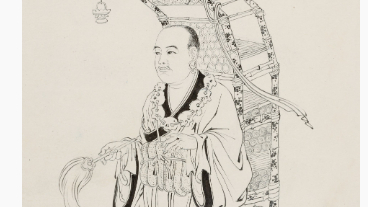
Xuan Zang
玄奘
- 分类: 文明交流
- ID: 1861985586780155905
Home CategoryCultural ExchangeXuan ZangPlay6 minsXuan Zang, born in 602 in Henan, China, was a renowned Buddhist monk, scholar, and translator of the Tang Dynasty. His 17-year journey to India was motivated by discrepancies in Chinese Buddhist texts, leading him to study Sanskrit and translate original scriptures accurately into Chinese.ShareRelated Videos**Must-see landmarks for your Xi'an tour 00:00:33Catalogue1. Early Life and Background2. The Journey to India3. Studies in India4. Return to China and Contribution5. Great Tang Records on the Western Regions6. Legacy and Cultural Impact7. The Commemorative Impact
Early Life and Background
Xuan Zang, born in 602 in Henan province, China, was a prominent Buddhist monk, scholar, and translator during the Tang Dynasty (618-907). Known for his insatiable curiosity and dedication to the study of Buddhism, he embarked on a legendary 17-year journey to India at a young age to seek original Buddhist texts and to explore the origins of Buddhist teachings. His journey was sparked by the discrepancies he found in the existing Chinese translations of Buddhist texts, driving him to learn Sanskrit and access the original scriptures to translate them accurately into Chinese.
The Journey to India
In 629, despite facing prohibitions and the dangers of traveling through foreign lands, Xuan Zang left Chang'an (modern-day Xi'an) on his pilgrimage to India. He traveled through the Silk Road, navigating through the harsh terrains of the Gobi Desert and the Himalayas, passing various regions and eventually reaching India. His journey across these diverse cultures and landscapes became a symbol of intercultural exchange.
During his travels, Xuan Zang encountered numerous challenges, including political instability, extreme weather conditions, and personal hardships. However, his unwavering determination and devotion to Buddhism helped him overcome these obstacles. Along the way, he studied under many renowned Buddhist scholars and engaged in deep philosophical discussions, which enriched his understanding of Buddhism.
Studies in India
Upon reaching India, Xuan Zang was welcomed by Buddhist communities and scholars. He spent several years at the ancient Nalanda University, one of the most prominent centers for Buddhist studies at the time. Under the guidance of the revered scholar Silabhadra and other Buddhist masters, Xuan Zang immersed himself in the study of various Buddhist texts, philosophies, and dialects. He also participated in significant debates and discussions, gaining immense knowledge and respect from the Indian Buddhist community.
Return to China and Contribution
In 645, Xuan Zang returned to China, bringing with him 657 Buddhist texts in Sanskrit, along with sacred relics and images. He was honored by the Tang emperor, and he retired to a monastery in Chang'an, where he dedicated the rest of his life to translating these texts into Chinese. His translations included some of the most important and fundamental Buddhist scriptures, such as the Heart Sutra and the Mahaprajnaparamita Sutra.
Xuan Zang's work significantly influenced the development of Buddhism in China and solidified the cultural and religious exchanges between China and India. His translations were notable for their accuracy, clarity, and profound understanding of Buddhist philosophy, earning him the title of "Tripitaka Master", a reference to the Buddhist canon.
Great Tang Records on the Western Regions
Xuan Zang meticulously documented his travels and experiences in the book "Great Tang Records on the Western Regions" (Da Tang Xi Yu Ji). This work provided detailed accounts of the geography, culture, politics, and religions of the regions he visited, offering invaluable insights into the socio-political landscape of 7th-century Asia. His writings not only contributed to the study of Buddhism but also enhanced the understanding of Asian cultural and historical interactions.
Legacy and Cultural Impact
Xuan Zang's journey and work have left an enduring legacy that continues to influence religious and cultural narratives. His pilgrimage inspired the creation of the classical Chinese novel "Journey to the West", written by Wu Cheng'en during the Ming Dynasty (1368-1644). This novel, a fictionalized account of Xuan Zang's journey, features the legendary Monkey King and has become one of the Four Great Classical Novels of Chinese literature, deeply embedded in Chinese cultural consciousness.
His life and journey symbolize the spirit of adventure, scholarly dedication, and intercultural exchange. In contemporary times, Xuan Zang is celebrated for his contributions to Buddhism, his role in promoting Sino-Indian relations, and his embodiment of the quest for knowledge and understanding. His influence extends beyond religious boundaries, serving as an inspiration for explorers, scholars, and those seeking to bridge cultural divides through dialogue and collaboration.
In 2016, the biographical film "Xuan Zang", starring Huang Xiaoming, was released in China, further highlighting his remarkable journey and contributions. The film was China's official submission for the Best Foreign Language Film at the 89th Academy Awards, showcasing his story to an international audience.
The Commemorative Impact
In recognition of Xuan Zang's significant historical role, numerous commemorations and cultural references have been established. His journey and its impact on cultural and religious exchanges between China and India have been celebrated in various forms, including literature, film, and performing arts. Commemorative stamps and cultural events continue to honor his legacy, reflecting the enduring fascination and respect for his contributions to Buddhism and intercultural dialogue.
His story remains a testament to the power of determination, intellectual curiosity, and the pursuit of cross-cultural understanding. Xuan Zang's life and work continue to inspire generations, serving as a bridge between the ancient and modern worlds, and highlighting the timeless value of cultural exchange and scholarly pursuit. Article reference1. China Tourism Day: 8 noted travelers around the world. en.chinaculture.org. 20212. Lights, Camera, Fashion!. chinadaily.com.cn. 2017Photo Gallery(4 pictures)CategoriesCultural ExchangeTagHistorical FiguresCultural EnvoyRelatedPrincess Iron FanXuan Zang's Journey to the WestCatalogue1. Early Life and Background2. The Journey to India3. Studies in India4. Return to China and Contribution5. Great Tang Records on the Western Regions6. Legacy and Cultural Impact7. The Commemorative Impact- - - []








